
Five Ebola patients recover and leave hospital in DR Congo
Health authorities in the Democratic Republic of Congo are celebrating the recovery of five Ebola patients, offering a rare moment of hope as the country battles a fast-moving outbreak that has killed nearly 250 people.

Four of the recovered patients, all nurses, were discharged on Sunday from a hospital in Bunia, the capital of Ituri Province and the epicentre of the current outbreak.
A fifth survivor, a laboratory worker and the first patient to recover during this outbreak, had left hospital last week.
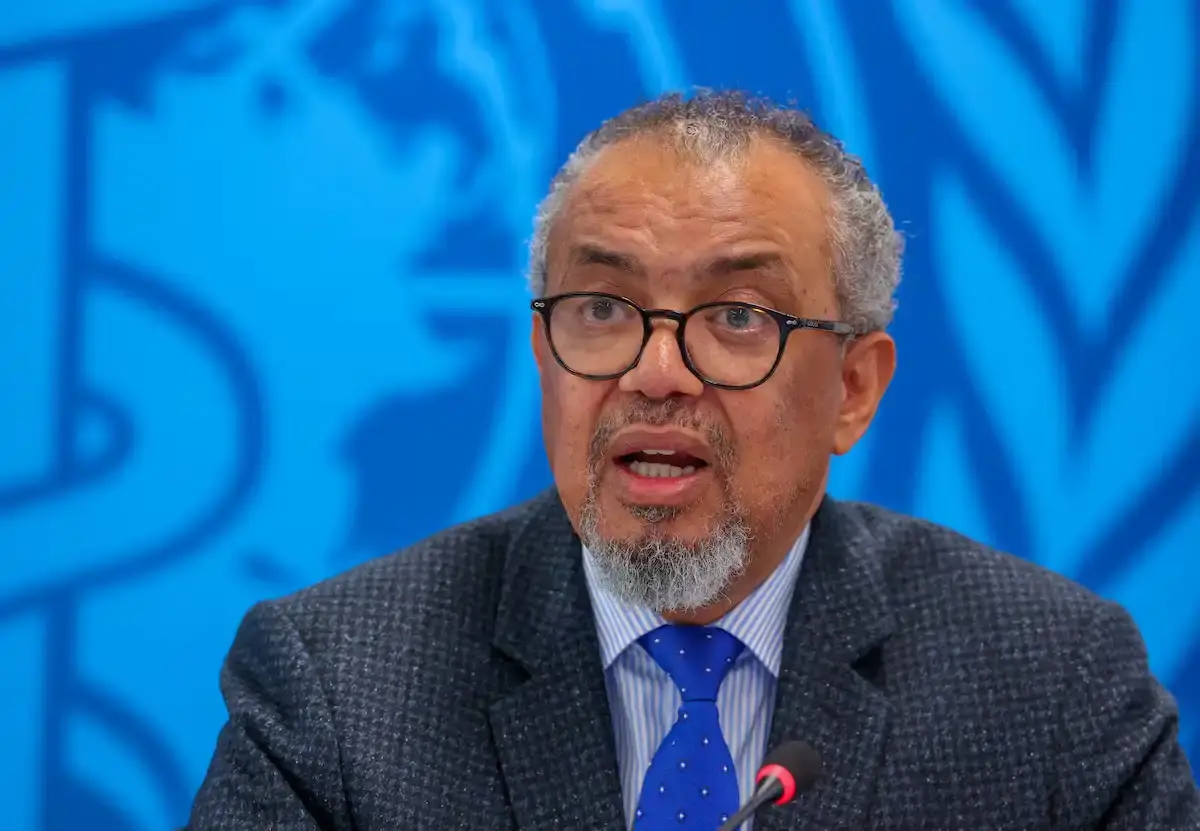
World Health Organization Director-General Tedros Adhanom Ghebreyesus, who visited Bunia, praised the survivors as proof that Ebola can be beaten with early detection and proper medical care.
“You are living stories that this outbreak can be stopped,” Tedros told the four nurses during a discharge ceremony.
Health workers on the frontline
Health workers are among those most exposed to Ebola, as they are often the first to treat infected patients.
Nurse Etienne Ezo, one of the survivors, described the psychological toll of isolation and illness.
“We were really demoralised because we knew that at some point... we were going to die,” he said. “If you have never been isolated, you will not know that it’s not easy.”
At Sunday’s ceremony, the recovered nurses — three men and one woman — received certificates recognising their recovery.
“It pains me to see health workers who have already died because of Ebola while serving others,” Tedros said. “But your commitment and coming back again to serve means a lot.”
Authorities urge early treatment
DR Congo’s Institute of Public Health described the recoveries as an encouraging milestone and said they showed the importance of early detection, medical care, contact tracing and community engagement.
Its director, Dr Mwamba Kazadi, said the recoveries were a victory worth celebrating, stressing that early diagnosis and strong care can save lives.
The current outbreak has caused more than 1,000 suspected cases in DR Congo and at least 246 deaths. Neighbouring Uganda has reported nine confirmed cases and one death.
Community trust remains critical
Authorities and the WHO are urging communities to cooperate with health workers, particularly around safe burials and infection prevention.
Ebola spreads through close contact with infected people or bodily fluids, and the bodies of those who have died from the virus remain highly infectious. Rules preventing relatives from touching the dead have caused anger in some communities and led to attacks on health centres.
In a joint statement with the Congolese government, Tedros said local communities were “at the heart of the solution” and that the success of the response depended on trust and engagement.
Officials said ongoing challenges include early detection, isolation of cases, contact tracing, safe and dignified burials, infection control in health facilities and public awareness.
No approved vaccine for current strain
This is DR Congo’s 17th Ebola outbreak. It is caused by the Bundibugyo species of the virus, for which there is currently no approved vaccine, although research and clinical work are underway.
Cases remain concentrated in Ituri, North Kivu and South Kivu, with some infections reported in Uganda’s capital, Kampala.
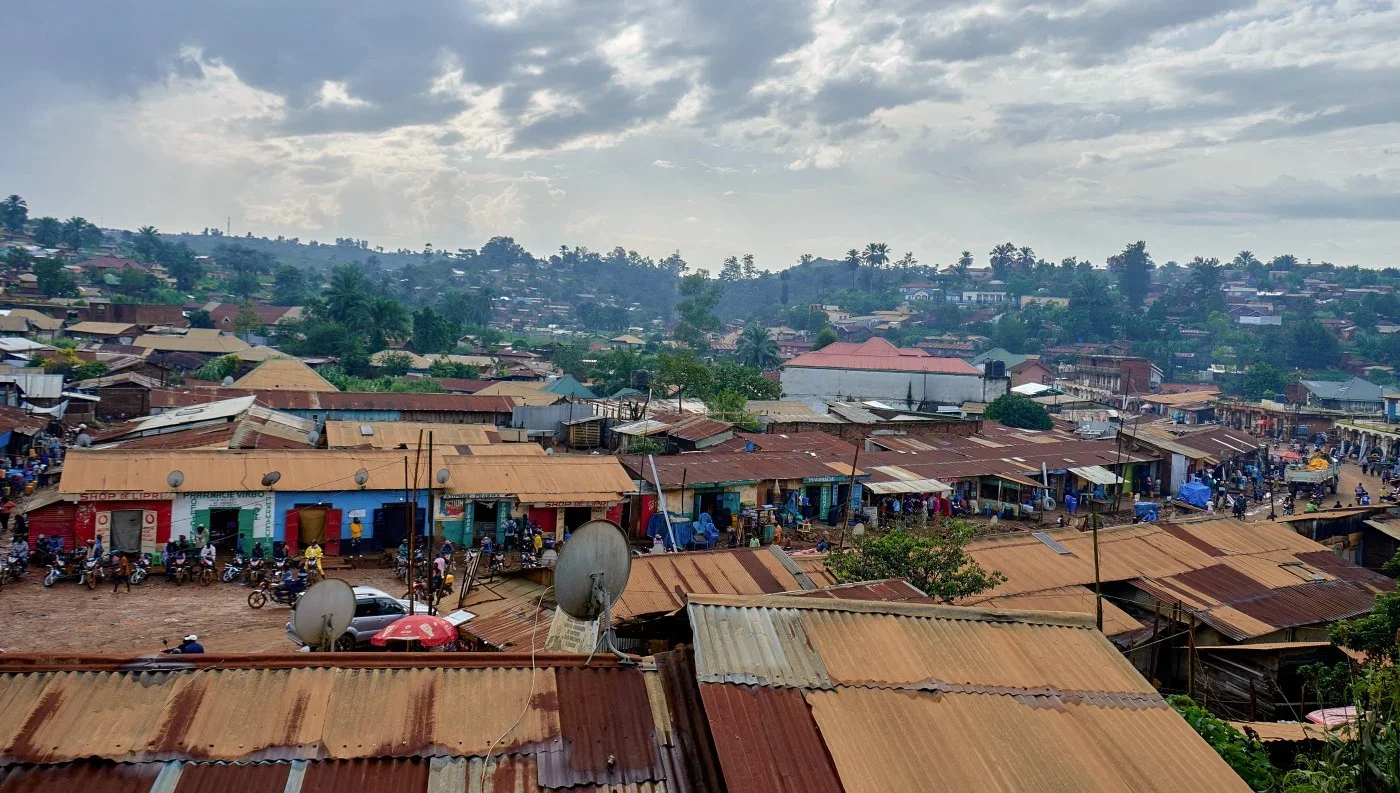
Despite the emergency, daily life continues in parts of the affected region. In Bunia, schools and markets remain open as residents try to maintain a sense of normality.
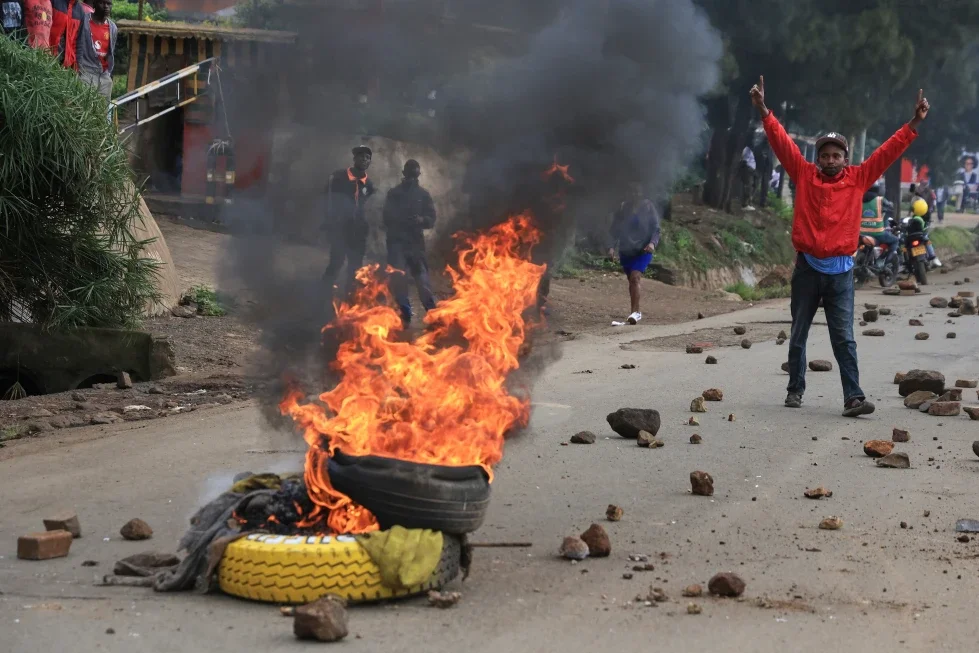
Health officials outside Africa are also monitoring possible risks. Brazil is investigating two suspected cases in São Paulo state, while protests have taken place in the Kenyan town of Nanyuki over US plans to build an Ebola quarantine facility for American citizens at an air base.
Kenya has reported no Ebola cases, and a court last week suspended the quarantine facility plan over public safety concerns.

The Nation Africa News Bureau is led by our editorial team, which closely observes political, economic, social, and cultural developments across the region. Through our network of correspondents and analysts, we monitor key events and emerging stories to provide timely, accurate, and relevant news coverage. Our mission is to bring the latest regional updates, in-depth reporting, and informed perspectives directly to our readers through our news website.
Related Stories
 News
NewsKenyan transport operators call off strike after Ruto promises lower fuel prices
 News
NewsWHO warns fast-moving Ebola outbreak is outpacing response efforts
 News
NewsAfDB meeting opens in Congo as Africa looks inward for development finance
 Politics