
AfDB cuts Africa growth forecast as Middle East tensions hit fuel and food prices
Africa’s economic growth is expected to slow slightly this year as tensions in the Middle East drive up fuel, food and import costs, the African Development Bank has warned.
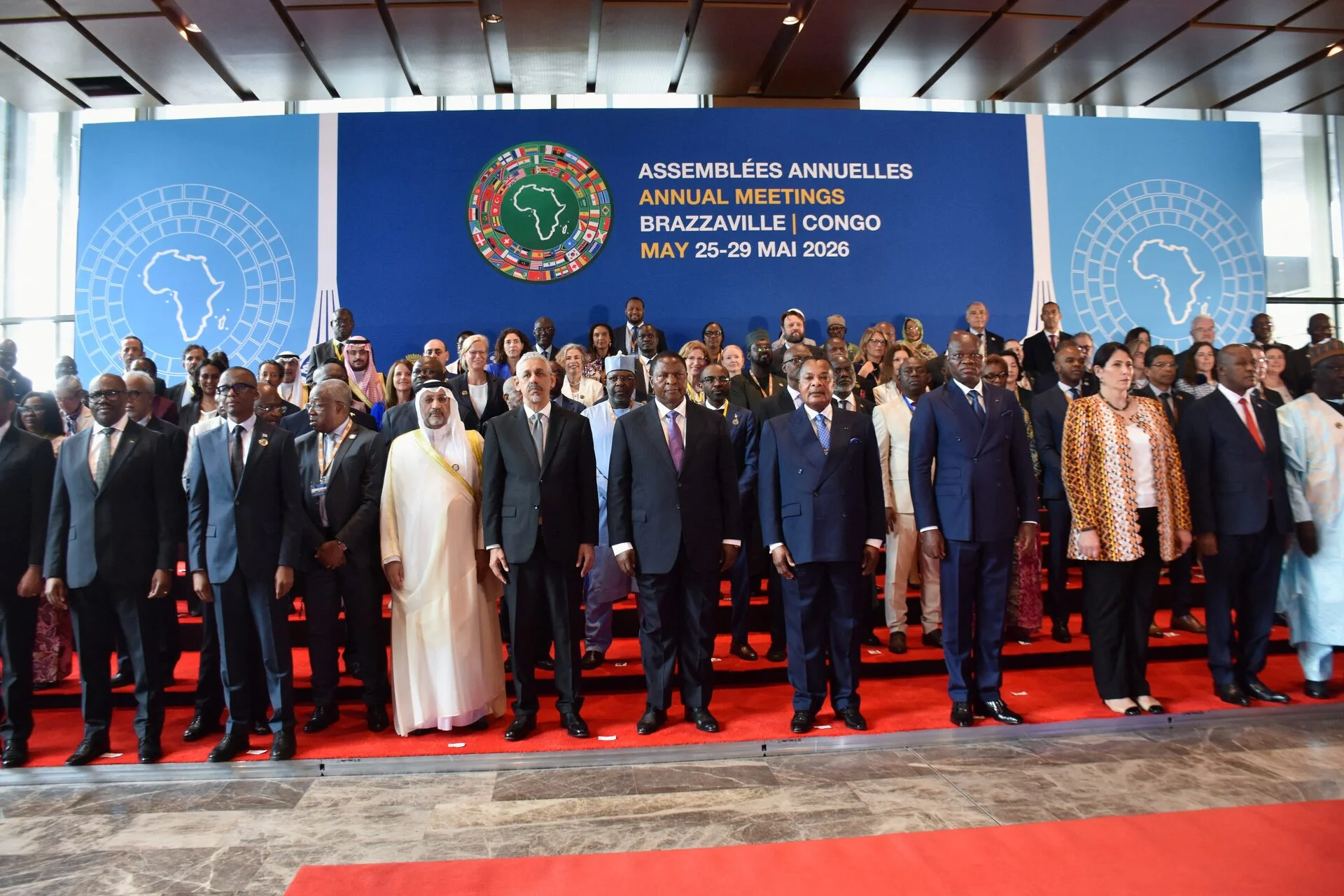
The continent’s economy is now forecast to expand by 4.2% in 2026, down from 4.4% last year, according to the AfDB’s latest annual outlook. The bank expects growth to recover to 4.4% in 2027, assuming the disruption linked to the Middle East crisis lasts only two to three months.
Despite the downgrade, Africa remains one of the world’s fastest-growing regions, alongside Asia, and continues to outpace Europe and Latin America.
The AfDB said last year’s performance was supported by stronger agricultural output, improved macroeconomic policies and higher commodity prices. However, the bank warned that rising global energy and fertiliser prices could put renewed pressure on African economies.
“The impact of this shock on growth and macroeconomic stability will depend on the duration of the supply chain disruptions and their effects on global energy and fertilizer prices,” the report said.
East Africa faces sharper slowdown
East Africa, currently the continent’s fastest-growing region, is expected to see growth slow by more than half a percentage point this year. The region is particularly exposed to higher energy and import costs, while food security risks remain a growing concern.
The report was released during the AfDB’s annual meeting in Brazzaville, Republic of the Congo, where policymakers, investors and development finance leaders are discussing how Africa can mobilise more domestic and regional capital to fund its development priorities.
The meeting comes amid concerns over an Ebola outbreak in neighbouring Democratic Republic of the Congo. However, the AfDB and Congolese authorities have reassured delegates that no cases have been reported in the host country and that surveillance measures are being conducted in line with World Health Organization guidance.
Financing Africa’s growth from within
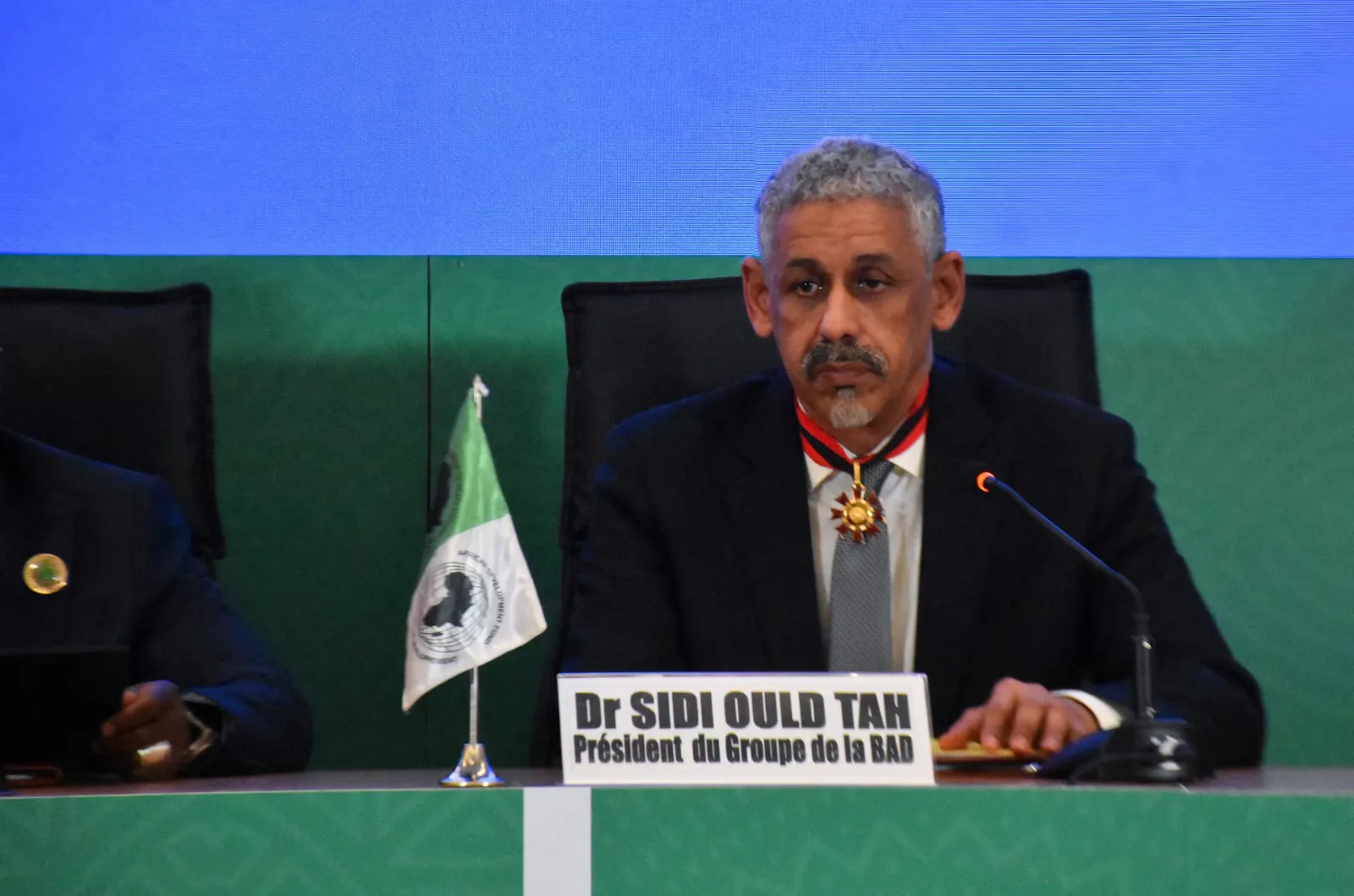
AfDB President Sidi Ould Tah, who took office last September, has placed development finance at the centre of his mandate. His agenda includes mobilising Africa’s own savings and capital pools through a framework known as NAFAD, at a time when overseas development aid is declining.
“Achieving sustained and inclusive growth will require a substantial increase in investment,” Tah said in the report.
He added that Africa must lift its annual growth rate above 7% and sustain that pace for decades in order to create enough jobs and make significant progress in reducing poverty.

The Nation Africa News Bureau is led by our editorial team, which closely observes political, economic, social, and cultural developments across the region. Through our network of correspondents and analysts, we monitor key events and emerging stories to provide timely, accurate, and relevant news coverage. Our mission is to bring the latest regional updates, in-depth reporting, and informed perspectives directly to our readers through our news website.


