
South African rand weakens as US strikes on Iran weigh on market sentiment
South Africa’s rand retreated on Tuesday as renewed tensions between the United States and Iran reduced hopes of a lasting ceasefire and pushed investors toward safer assets.
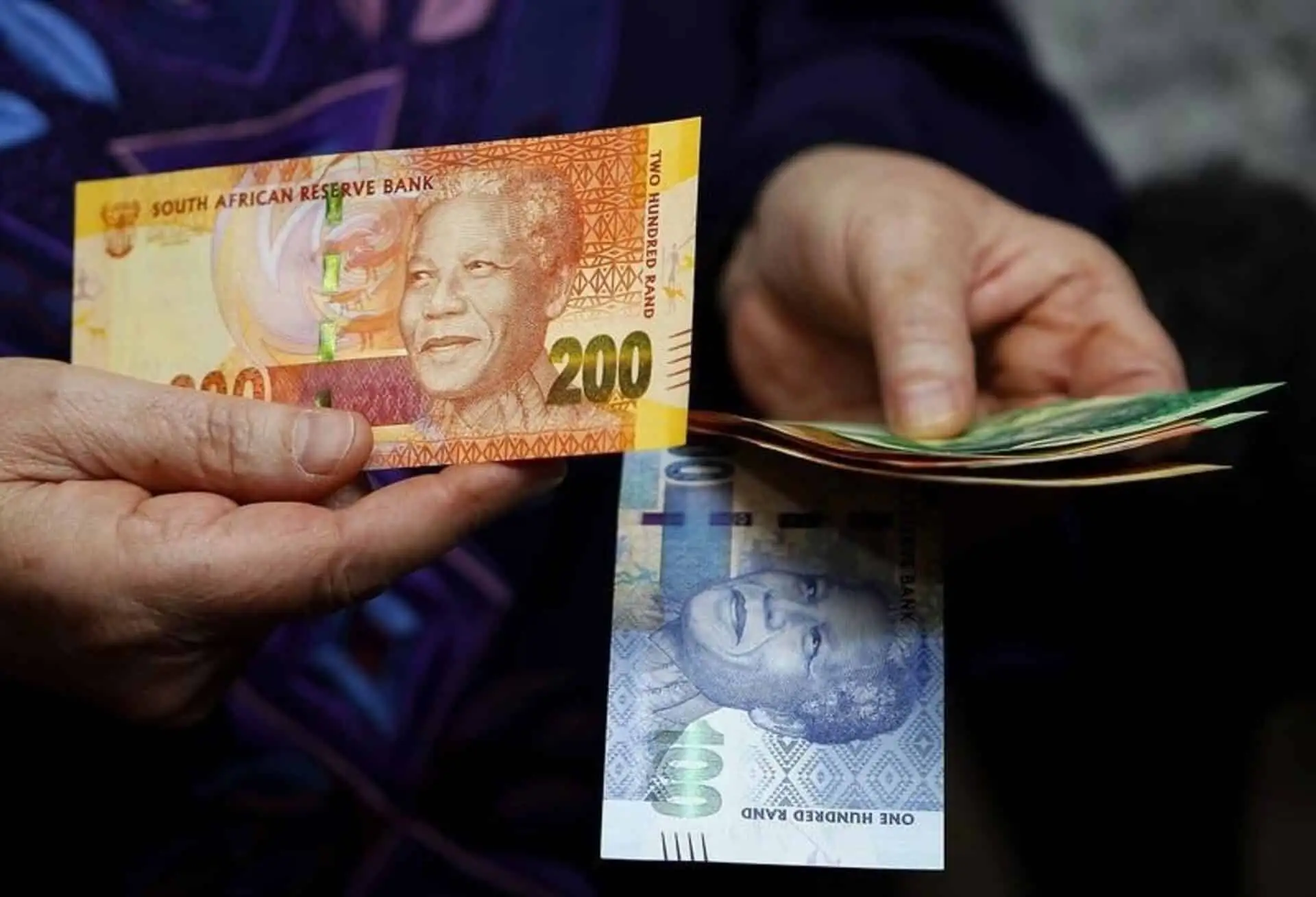
By 16:06 GMT, the rand was trading at 16.3875 against the US dollar, around 0.6% weaker than its previous close.
The move came after the United States carried out what it described as defensive strikes on Iran. Tehran condemned the action as a “gross violation” of a seven-week ceasefire, raising fears that the fragile truce could unravel.
Despite the escalation, both sides signalled that negotiations were still progressing toward an agreement aimed at ending the conflict and reopening shipping routes through the Strait of Hormuz, one of the world’s most important energy corridors.
Oil and shipping risks in focus
Analysts said the rand, like many emerging-market currencies, remains vulnerable to global energy shocks and shifts in risk appetite.
“Only when oil tankers can roam freely in the Strait of Hormuz, with insurance premiums coming down and energy prices falling accordingly, can we really look at a way to move forward,” said Adam Phillips, treasury specialist at Umkhulu Treasury.
Higher oil prices typically put pressure on South Africa, a major fuel importer, by raising inflation risks and worsening the trade balance.
Domestic data points to firmer growth
On the domestic front, South Africa’s composite leading business cycle indicator rose 2.4% in March, suggesting that economic momentum had been improving before the latest geopolitical tensions.
ETM Analytics said the increase in the leading indicator pointed to an economy that had been on track for another year of stronger growth before recent developments disrupted sentiment.
Central bank decision ahead
Investor attention is now turning to the South African Reserve Bank’s Monetary Policy Committee meeting on Thursday.
Economists polled by Reuters expect the central bank to raise interest rates by 25 basis points, as policymakers weigh currency weakness, inflation risks and the impact of global uncertainty.
On the Johannesburg Stock Exchange, the Top-40 index closed 0.2% lower.
South Africa’s benchmark 2035 government bond also weakened, with the yield rising 2.5 basis points to 8.54%.

The Nation Africa News Bureau is led by our editorial team, which closely observes political, economic, social, and cultural developments across the region. Through our network of correspondents and analysts, we monitor key events and emerging stories to provide timely, accurate, and relevant news coverage. Our mission is to bring the latest regional updates, in-depth reporting, and informed perspectives directly to our readers through our news website.


