
Tinubu defends economic reforms as Nigeria’s 2027 presidential race begins
Nigerian President Bola Ahmed Tinubu has defended his economic reform agenda after securing the ruling party’s endorsement for a second term, arguing that the country’s current hardship is part of a necessary transition toward long-term recovery.
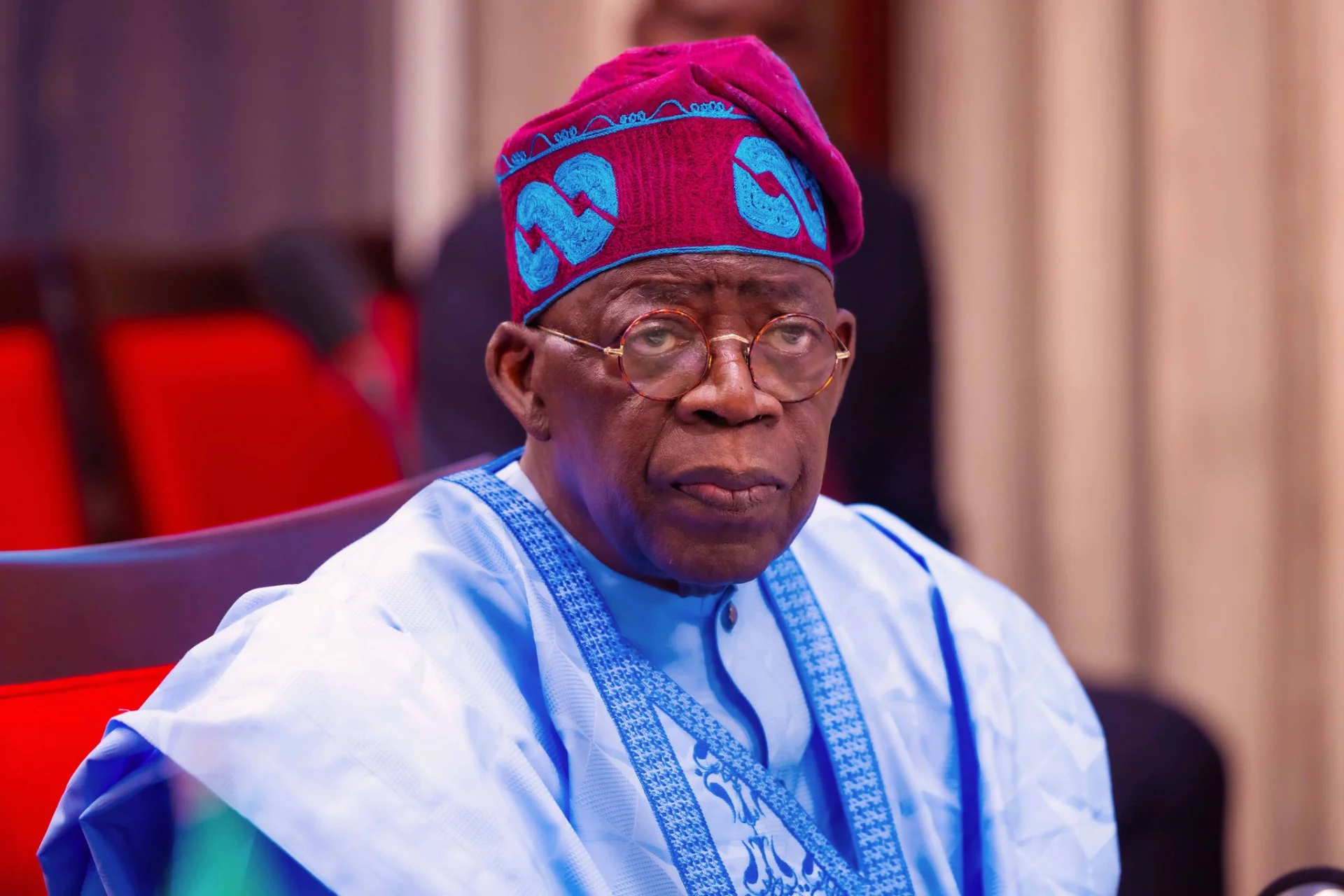
Speaking in Abuja after being formally named the All Progressives Congress (APC) candidate for the 2027 presidential election, Tinubu acknowledged public frustration over rising living costs, but said his government would not abandon its reform programme.
“Many Nigerians still struggle with rising costs and economic adjustment. We do not dismiss these concerns,” Tinubu said. “We understand them and govern not in comfort but in reality with honesty and action.”
Reforms welcomed by investors, criticised by citizens
Since taking office in 2023, Tinubu has introduced some of Nigeria’s most significant economic reforms in years.
His administration removed fuel subsidies, liberalised the naira and advanced fiscal reforms aimed at strengthening public finances, attracting investment and stabilising Africa’s largest economy.
The measures have been broadly welcomed by international investors and financial institutions, but they have also increased pressure on ordinary Nigerians.
Fuel prices have risen sharply, inflation surged to around 30% in 2024, and living costs remain a major political challenge despite a later easing in inflation.
According to the World Bank, around 60% of Nigerians are now living in poverty, adding to public anger over the social impact of the reforms.
Tinubu calls for patience
Tinubu urged Nigerians to see the current hardship as a temporary cost of rebuilding the economy.
“We are not made for easy roads,” he said. “We are paying the price now for prosperity and a better life to our children yet unborn.”
The 74-year-old president has long been expected to seek a second and final term. His nomination by the APC was largely symbolic, with only one little-known challenger in the party process.
The ruling party enters the campaign season in a strong position, controlling 31 of Nigeria’s 36 states after a wave of defections from opposition parties.
Opposition struggles to unite
Tinubu begins the 2027 race as the clear frontrunner, supported by the APC’s powerful political machinery and nationwide structure.
Opposition parties, meanwhile, remain fragmented and weakened by internal disputes. Several groups are expected to hold primaries in the coming days as they search for candidates capable of mounting a serious challenge.
But the election is increasingly taking shape as a referendum on Tinubu’s economic record.
For his supporters, the reforms are painful but necessary steps toward a stronger economy. For his critics, they have deepened hardship in a country where millions are already struggling to afford food, fuel and basic services.

The Nation Africa News Bureau is led by our editorial team, which closely observes political, economic, social, and cultural developments across the region. Through our network of correspondents and analysts, we monitor key events and emerging stories to provide timely, accurate, and relevant news coverage. Our mission is to bring the latest regional updates, in-depth reporting, and informed perspectives directly to our readers through our news website.


